The Nubian Museum in Aswan: Guardian of Heritage and Ancient Civilization
The Nubian Museum in the enchanting city of Aswan is one of Egypt's most prominent regional museums and top visitor attractions. It is far more than a mere display space for artifacts; it is a living window overlooking the history of an entire nation and a unique human heritage spanning thousands of years, telling the story of a great civilization that shaped and was shaped by the Nile Valley.
A Rescue Call Turned into a Grand Monument
The idea for this magnificent monument was born in response to the global appeal launched by UNESCO in the 1960s to save Nubian antiquities and immortal temples from submersion following the construction of the High Dam and the formation of Lake Nasser. These international and local efforts culminated in the official inauguration of the museum in 1997, standing as a faithful guardian of the tangible and spiritual heritage of the Nubian people that was once threatened with loss, documenting their way of life across different eras.
Architectural Masterpiece and Unique Design
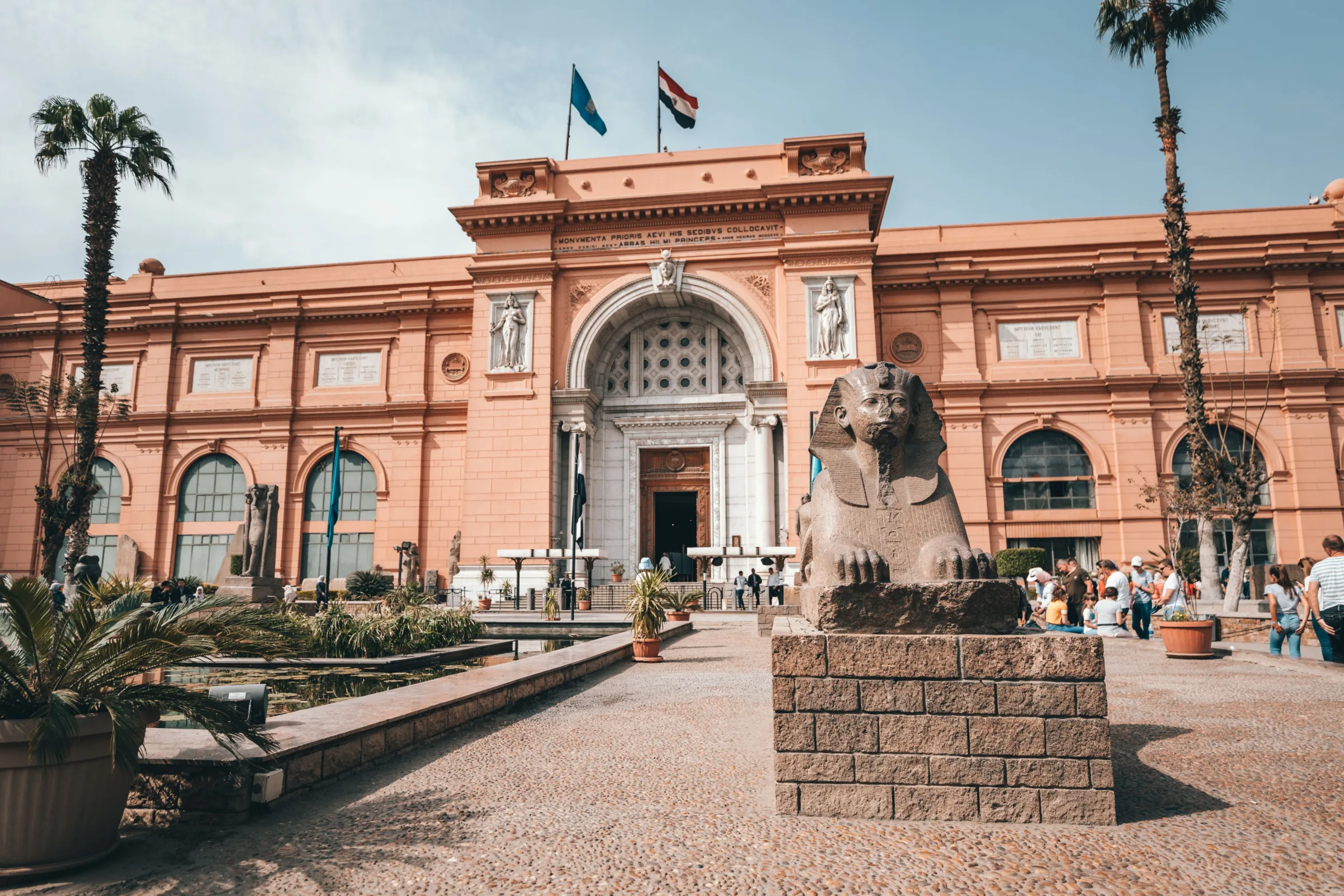
The Nubian Museum boasts an exceptional architectural design inspired by Pharaonic tombs and the local Nubian environment, crafted by the Egyptian architect Mahmoud El-Hakim. Spanning a vast area of 50,000 square meters, its terraced structure was built in complete harmony with the surrounding Aswan rocks, hills, and sun. This remarkable engineering creativity did not go unnoticed globally, earning the museum the Aga Khan Award for Architecture in 2001 as one of the finest architectural achievements in the world.
Precious Collections and Exhibition Sections
The museum houses thousands of rare artifacts documenting Nubian history from prehistoric times to the modern era. These collections are distributed across indoor exhibition halls and an outdoor museum garden featuring dozens of statues and massive stelae. Among the museum's most notable exhibits are a human skeleton dating back approximately 200,000 years, a statue of King Ramses II, models of Nubian temples and tombs, as well as pieces reflecting the folklore, traditions, and daily customs of the Nubian people.
Cultural and Touristic Value
The Nubian Museum serves as a solid bridge connecting the past with the present, offering researchers and visitors an extraordinary opportunity to understand Nubian life, its ancient language, and its arts filled with vibrant colors and intricate decorations. It stands as a landmark on Egypt’s cultural tourism map and an eternal symbol of a people's resilience in preserving their identity and heritage in the face of monumental challenges.